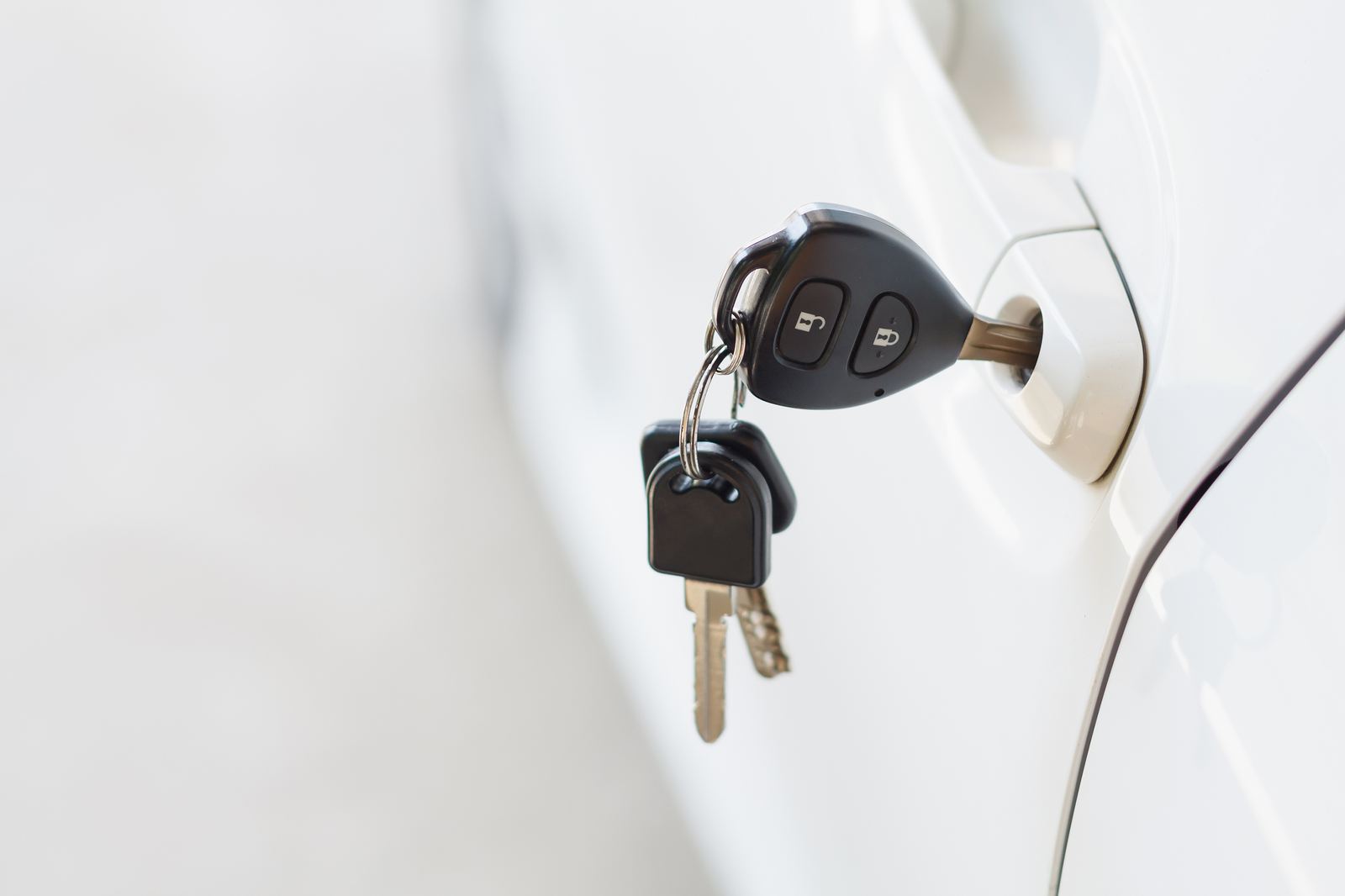
If a child or pet is inside the car, call 911 first; officers treat that as an emergency and will not wait. Otherwise, check what you already pay for: AAA and similar roadside memberships include lockout service, many auto insurers offer a roadside add-on that covers it, and most 2015-and-newer vehicles have a manufacturer app that can unlock the doors remotely. Only after those come up empty does a locksmith call make sense.
Try these free routes first
Child or pet inside: call 911 now
Skip every other option. Vehicle interiors heat to dangerous temperatures in minutes, even on mild days with windows cracked, and cold poses its own risk. Emergency dispatchers treat a child or animal locked in a car as a priority call, and responders can open or force entry immediately without waiting on a membership or a technician. Stay at the car, keep the occupant in view, and follow dispatcher instructions. No fee, no membership required, and no judgment; this happens to attentive parents and pet owners constantly.
Use your roadside membership
AAA includes vehicle lockout service on every membership tier, and comparable motor clubs and employer or union roadside benefits typically do too. Coverage generally follows the member, not the car, so you are usually covered even in a borrowed vehicle, and a member traveling with you may be able to request service. Request help through the app or the member line, have your membership number ready, and the dispatched provider handles the rest at no charge up to your tier's service limits.
Check your auto insurer's roadside add-on
Many drivers carry a roadside assistance add-on on their auto policy without remembering it, since it often costs little and gets bundled at signup. Insurers generally include lockout service in these add-ons, dispatched through the insurer's app or claims line. Open your insurer's app or check your declarations page for roadside assistance or emergency road service before paying anyone out of pocket. Note that using roadside service is typically recorded differently than an accident claim; ask your insurer how usage is treated if that concerns you.
Try your car's manufacturer app
Most vehicles from roughly 2015 onward support a manufacturer app with remote unlock, such as those offered by Toyota, Ford, GM, Honda, Hyundai, and others, plus subscription services like OnStar. If you ever created an account for your car, you may be able to unlock it from your phone in seconds. Some brands include this free for a period after purchase; others require an active subscription, and customer lines can sometimes assist verified owners. Even at a small subscription price, activating it now can be faster than any service call.
Fetch the spare key
A spare key at home turns a lockout into an errand. Call a household member to bring it, take a rideshare home if you are close, or ask the friend you are meeting to swing by your place with permission. If the car is parked somewhere safe and legal, there is no rush; a locked car with keys inside is inconvenient, not urgent. Also worth checking: rental cars and fleet vehicles usually have their own lockout line, and dealerships hold key records for vehicles they sold.
Should I call the police for keys locked in my car?
Call 911 immediately if a child, a pet, or a vulnerable adult is inside, or if the running car creates a hazard. Dispatchers treat occupant-in-vehicle calls as emergencies, and responding officers or firefighters will gain entry without waiting for anyone else; a damaged window is a fair trade for a safe kid. For an ordinary lockout with no one inside, police response varies widely. Some departments will send an officer if one is free, many no longer offer lockout assistance at all, and a busy shift means a long wait either way. If the car is blocking traffic or parked somewhere risky, the non-emergency line is still appropriate. Otherwise, your roadside membership, insurer add-on, or a locksmith will be faster and better equipped. The rule of thumb: 911 is for danger, not for inconvenience, but never hesitate when a living thing is locked inside.
Can my car's app really unlock it remotely?
For a large share of vehicles built since about 2015, yes. Manufacturer apps such as those from Toyota, Ford, GM, Honda, Hyundai, Kia, Subaru, and Tesla, along with services like OnStar, can send an unlock command to the car over its built-in cellular connection. The catch is setup: the feature works only if the vehicle's connected services were activated, your account is linked to the VIN, and any required subscription is current. Some brands include remote unlock free for a trial period after purchase and then move it behind a subscription; a few keep basic remote commands free. If you never set up the app, it is still worth trying, since some manufacturers can activate an account for a verified owner over the phone. Signal matters too; a car parked in an underground garage may not receive the command. When it works, it is the fastest solution that exists.
Does my insurance or credit card cover this?
Often, yes, and it is worth two minutes of checking before you pay anyone. Auto insurers generally cover lockout service under optional roadside assistance add-ons; the labor to open the car is typically covered, while making replacement keys typically is not. Check your insurer's app or declarations page for roadside, towing, or emergency road service language. Separately, a number of credit cards include roadside assistance benefits, ranging from a concierge that dispatches a provider at a flat rate to genuinely covered service on some premium cards; the benefits guide that came with your card spells it out, and the number is usually on the back of the card. Some new-car warranties also bundle complimentary roadside assistance for the first years of ownership, dispatched through the manufacturer. The theme across all of these: getting the door open is commonly covered, and replacing lost keys usually is not.
Will unlocking the car damage it?
When a trained professional with current tools opens a modern vehicle, damage is rare. Automotive locksmiths and roadside technicians work on specific makes and models daily and carry equipment matched to them, and reputable providers carry insurance for the rare exception. The realistic damage risk comes from two other directions. First, improvised attempts by untrained hands: modern doors are dense with wiring, airbag sensors, and weather seals, and amateur efforts routinely cause scratched paint, bent frames, damaged seals, and expensive electrical faults that cost far more than any service call. Second, rushed or unqualified operators. Before work starts, ask the technician whether they are insured and how they will handle it if something goes wrong; a legitimate pro answers plainly and quotes the full job before touching the car. If your situation is not urgent, patience plus a qualified professional is the lowest-risk path there is.
What if the keys are locked in the trunk?
Usually easier than it sounds. On most modern cars, the trunk is connected to the cabin: once the doors are open, a trunk release button, the folding rear seats, or an interior pass-through gets you to the keys. So the job is typically an ordinary door unlock, and everything above about roadside coverage and manufacturer apps applies. The complications are specific: some vehicles have a valet lockout that disables the interior trunk release, some trunks are electronically latched and need battery power, and older cars may have a trunk keyed separately with no cabin access. Tell whoever you call that the keys are in the trunk and give the year, make, and model, so they bring the right approach. One quiet advantage of proximity-key cars: many refuse to lock the fob in the trunk at all and will pop the lid back open, so check whether the trunk is truly latched before assuming the worst.
Roadside assistance or a locksmith: which should I choose?
If you have coverage, use it first; that is what you have been paying for, and the lockout service itself will typically be free. Roadside programs are the right call when you are covered, the situation is not urgent, and you simply need the door opened. A direct call to an automotive locksmith makes more sense in a few cases: you have no coverage at all; the wait quoted by your club or insurer is long during a storm or peak period while an independent pro can arrive sooner; or the job goes beyond opening the door, such as a key that then will not turn or a fob that will not start the car, which roadside contractors often cannot address on the spot. Whichever route you take, confirm the provider's business name, ask for the full price of your specific job before work starts, and remember the pro quotes directly before anything begins.
When calling a locksmith is the right move
Call an automotive locksmith when the free layers are exhausted or too slow: no roadside membership or insurer add-on, no working manufacturer app, no reachable spare, or a quoted wait you cannot afford in your situation. A locksmith is also the better first call when the problem is more than a locked door, such as a key that broke, a fob the car no longer recognizes, or a lockout in a spot where you cannot safely wait long. Give the year, make, model, and exact location, confirm they are insured, and get the full quote before work begins; the pro quotes directly, not this site.
📞 Call (866) 370-8695
Quick answers
Is it an emergency if my dog is locked in the car?
Yes. Treat a pet locked in a car like a child locked in a car: call 911 and stay with the vehicle. Interiors heat far faster than the outside air, and animals can be in distress within minutes. Many areas also authorize emergency responders to force entry for animals. Do not wait for a membership dispatch when a living thing is inside.
Does AAA cover locking my keys in the car?
Yes. AAA includes vehicle lockout service on all membership tiers, with service limits that increase at higher tiers. Coverage follows the member rather than the vehicle, so you are generally covered in whatever car you are driving or riding in. Request service through the AAA app or member line with your membership number handy.
Can a locksmith open my car without the key?
Yes. Opening locked vehicles is core work for automotive locksmiths, who carry tools and reference data for specific makes and models. A qualified pro can typically open a modern car without damage and, unlike most roadside contractors, can also handle follow-on problems like a broken key or a fob the car will not recognize. Confirm insurance and get a full quote first.
My car is running with the keys inside. What do I do?
Prioritize speed and safety. If anyone is inside, call 911. Otherwise, a running locked car burns fuel and can overheat or create a hazard depending on where it is parked, so try the fastest option available: the manufacturer app if you have it, then roadside or a locksmith, and mention that the engine is running so your call is prioritized.
How do proximity keys end up locked inside at all?
Most proximity-key cars try to prevent it and refuse to lock when they detect the fob inside, but detection is not perfect. A fob with a weak battery, one buried in a bag or a metal container, or one resting in a sensor dead zone can go undetected. Cargo areas and trunks are common blind spots. A fresh fob battery is the easiest prevention.
Related guides and services