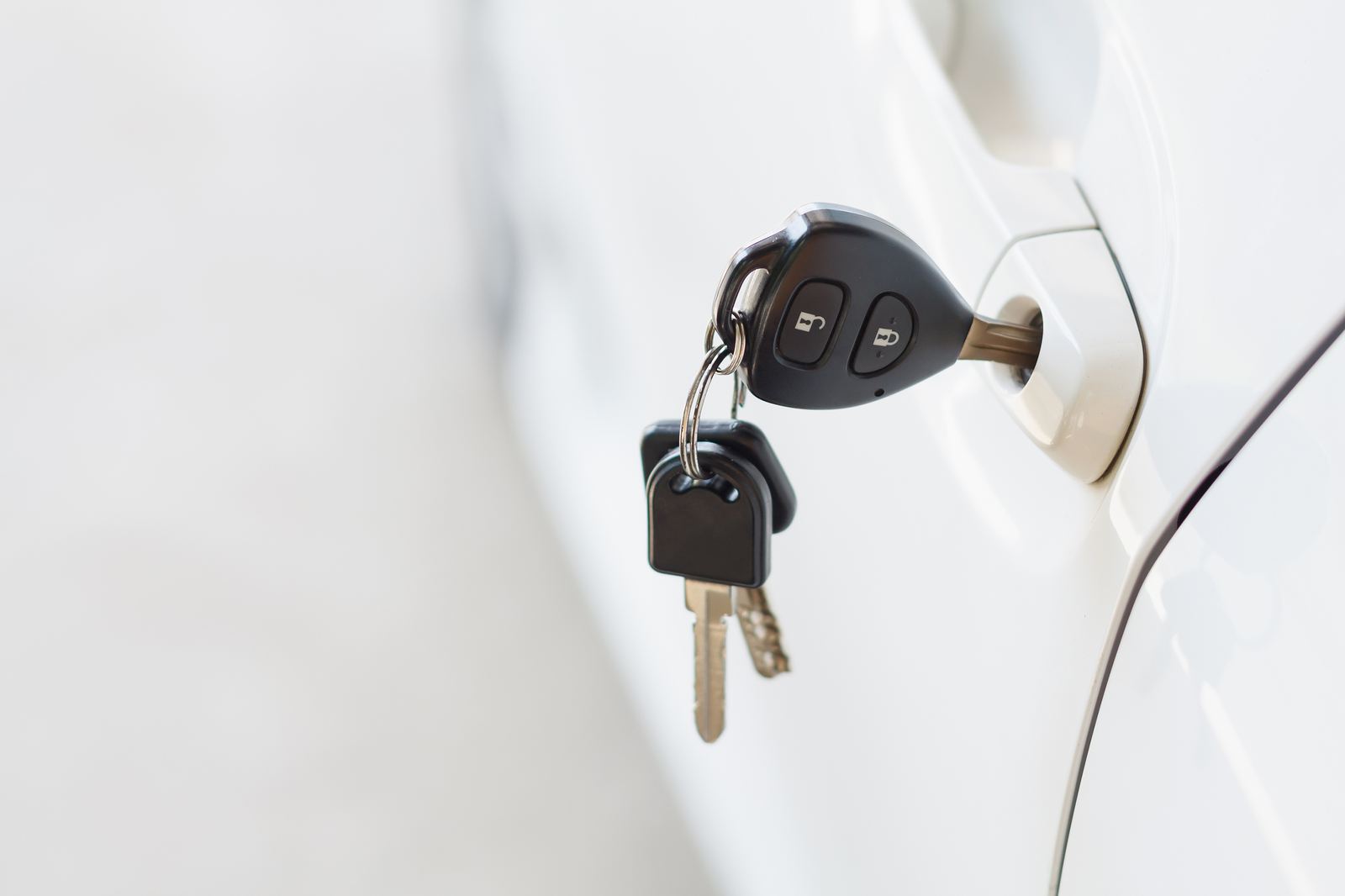
Broken key extraction removes a snapped key fragment from a door lock, vehicle lock, ignition, padlock, or mailbox without damaging the cylinder, then restores working access with a fresh key. When you call, we connect you with an independent local locksmith pro who assesses the lock, removes the fragment cleanly, and quotes you directly before any work begins. We never quote prices ourselves, and pros favor approaches that preserve your existing lock.
What does a locksmith actually do to extract a broken key?
The pro first examines the lock to see how deep the fragment sits, whether the cylinder was left partially rotated, and whether earlier removal attempts pushed the piece further in. Using purpose-made extraction instruments, they grip and withdraw the fragment while protecting the cylinder's internal components, working patiently rather than forcing anything, because the goal is a lock that works normally afterward. Once the fragment is out, the pro cleans and lubricates the keyway, then tests the cylinder for smooth operation, since a key rarely snaps in a healthy lock; binding, corrosion, or misalignment usually contributed. If you have the broken key's other half, the pro can often cut a complete replacement on the spot, or decode the fragments and cut a fresh key to specification. If inspection shows the cylinder itself is worn or damaged, the pro explains repair or replacement options and quotes each path directly before doing anything further.
When is professional extraction the right call versus other options?
Call a pro whenever the fragment sits deep in the keyway, the lock is your only way in or out, the break happened in a vehicle ignition, or a first gentle attempt with the protruding piece did not work. If a large portion of the key protrudes and moves freely, you may be able to draw it straight out with steady fingers or fine pliers; that is the one reasonable self-help step. Beyond that, improvised tools cause most of the damage pros later have to undo. Extraction is also the right service when the lock still matters to you: on a quality deadbolt, a vehicle, or a keyed-alike system, preserving the cylinder preserves your key scheme. If the lock was already failing, sticky, corroded, or rated at the light-duty end of the ANSI/BHMA scale, replacement may serve you better than extraction plus repair, and an honest pro will compare both paths with you before quoting.
Why do keys break off in locks in the first place?
Keys are the wear item in the system, and they fail for predictable reasons. Metal fatigue is the leading cause: years of small torsional stresses accumulate, especially in keys already thinned by wear or repeated copying, until one ordinary turn finishes the crack. Cold weather compounds it, making brass more brittle and lock lubricant stiffer, which is why winter mornings produce so many snapped keys. Force is the trigger in most cases; a lock that binds because of a misaligned strike, a sagging door, or a dry, dirty cylinder invites the user to torque harder, and the key gives before the lock does. Low-quality blanks from bargain duplications snap far sooner than proper brass or nickel-silver stock. Using the wrong key, turning a key with the door pressing against the latch, and using keys as pry tools for packages all contribute. The extraction visit is the right moment to fix the underlying cause, not just the symptom.
What affects the complexity of an extraction?
Depth and position of the fragment matter most. A piece sitting near the keyway mouth comes out quickly; a fragment pushed deep, especially by prior poking with glue, wire, or screwdrivers, takes longer and carries more risk to the cylinder. Whether the plug was left rotated changes the approach, since internal components sit differently mid-turn. Lock type is a major factor: a standard residential deadbolt is the simple case, while vehicle ignitions, high-security cylinders with tight patented keyways, mailbox locks, and padlocks each involve different access and finer tolerances. Hardware grade plays a role, as Grade 1 hardware under the ANSI/BHMA standard has closer machining than light-duty Grade 3 locks, cutting both ways: better built, but less forgiving of clumsy attempts. Condition adds time when corrosion, old graphite buildup, or previous damage complicates the work. Finally, what happens after extraction, cutting a replacement key, rekeying, or replacing a worn cylinder, extends the visit and is quoted before proceeding.
What should you have ready when the pro arrives?
Keep the broken-off portion of the key you are still holding; together with the extracted fragment it lets the pro reassemble the pattern and cut an accurate replacement immediately. Have photo ID ready, plus something tying you to the property or vehicle, since extraction on an entry door or ignition is access work and reputable pros verify before starting. Note exactly what happened: which key, which lock, whether the lock was turning stiffly beforehand, and whether anyone attempted removal with tools or adhesive, because that history changes the pro's approach. Leave the lock alone in the meantime; do not insert another key, and do not apply glue. If the affected lock is your only entrance, mention that when you call so the pro treats it with lockout urgency. For vehicle ignitions, have the year, make, and model ready, and know whether your key carries a transponder chip, since the replacement may need programming.
What mistakes do people commonly make before calling?
The most damaging is digging at the fragment with whatever is at hand. Bobby pins, paper clips, screwdrivers, and tweezers usually push the piece deeper and can scar the cylinder's internals, converting a routine extraction into a cylinder replacement. Worse still is adhesive: gluing the broken half to the fragment almost never bonds well enough to pull, and stray glue inside a keyway can ruin the lock outright. Inserting a spare key on top of the fragment jams both together. Some people keep turning a lock with a cracked key visibly starting to fail, when retiring that key a week earlier would have avoided everything. Others treat the snapped key as a lock problem and replace good hardware unnecessarily, or ignore the binding door that caused the break, setting up a repeat. Finally, discarding the broken key halves before the pro arrives throws away the fastest path to an accurate replacement key.