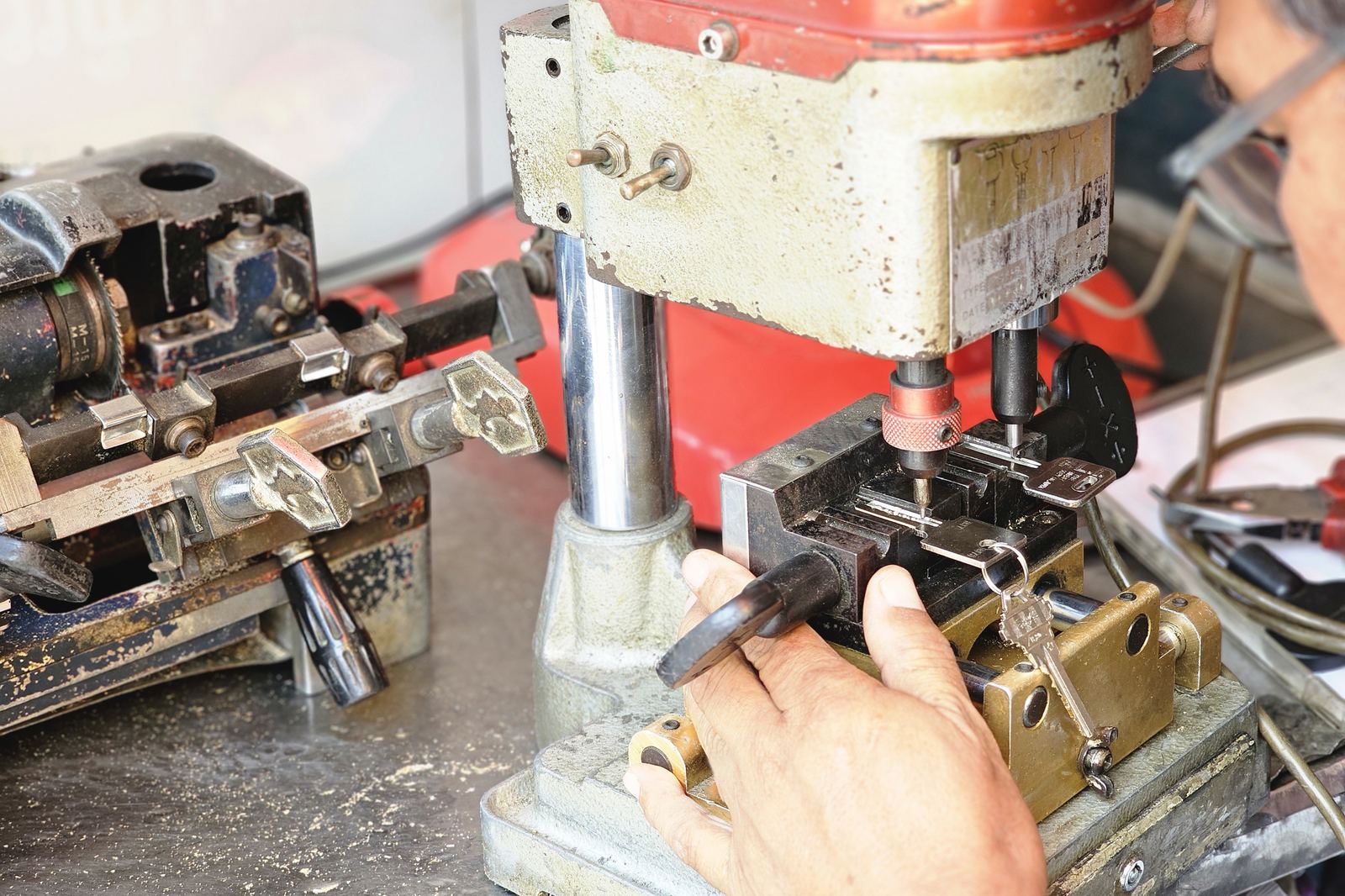
Lock replacement and installation covers removing worn or unwanted locks and fitting new hardware, from entry deadbolts and knobs to mailbox and cabinet locks, with proper alignment so everything operates smoothly. When you call, we connect you with an independent local locksmith pro who evaluates your doors, recommends hardware suited to each opening, and quotes you directly before any work begins. We never quote prices ourselves.
What does a locksmith actually do during a lock replacement?
The pro starts by evaluating the door, the existing hardware, and how you use the entrance, then recommends replacement hardware appropriate to the opening, referencing durability grades published under the ANSI/BHMA standard where relevant. They remove the old lock, inspect the door prep underneath, and fit the new hardware, which may involve adjusting the bore, latch pocket, or strike area so the new lock seats correctly rather than being forced into an ill-fitting hole. For fresh installations on a door that never had a lock, the pro measures and cuts the openings from scratch. They then align the strike plate so the latch and deadbolt engage without lifting or slamming, secure everything with appropriate fasteners, and test the lock through repeated cycles from both sides. Finally, the pro hands over all keys, confirms operation with you, and can key the new lock to match your other doors if compatible. The full scope is quoted before work begins.
When is replacement the right call instead of rekeying or repair?
Replace when the hardware itself is the problem. Clear signals include locks that stick or grind despite lubrication, keys that turn only with force, latches that no longer retract fully, visible damage from a break-in or attempted one, heavy corrosion on coastal or weather-exposed doors, and discontinued models with no available parts. Replacement is also right when your needs changed rather than the lock failing: upgrading from builder-grade Grade 3 hardware to sturdier Grade 1 or Grade 2 under the ANSI/BHMA scale, adding a deadbolt where only a knob lock exists, switching to a keypad or smart lock, or matching new hardware finishes during a renovation. Rekey instead when the hardware is sound and only key control needs to change, such as after a move or lost keys. Repair suits isolated issues like a loose thumb turn or misaligned strike. A good pro will assess each door and tell you which category it falls into.
What kinds of locks can be replaced or installed?
Residential entry hardware is the core of the trade: deadbolts, knob and lever locks, handlesets, and interconnected units, along with auxiliary hardware like slider locks and gate latches. Beyond entry doors, locksmith pros routinely service smaller lock formats that homeowners often do not realize are replaceable. Mailbox locks on cluster units and wall-mounted boxes can typically be swapped when keys are lost, though boxes owned by the postal service have their own procedures the pro can explain. Cabinet and drawer locks in desks, file cabinets, display cases, and built-ins can be replaced or keyed to a new key, which matters for home offices holding documents or medications. Padlocks, garage side-door locks, and storm-door hardware round out the residential list. On the commercial side, lever sets, deadlatches, exit devices, and storefront hardware follow the same replace-or-repair logic at heavier duty grades. Mention every lock type when you call so the pro brings suitable stock.
What affects the complexity of a lock installation?
Door prep is the biggest variable. Replacing like-for-like into existing, correctly sized holes is the simplest job, while installing hardware with a different footprint, backset, or bore diameter requires modifying the door, and cutting a fresh mortise or bore into an unprepped door takes the most time and precision. Door material matters: solid wood, fiberglass, steel, and aluminum-frame glass doors each demand different techniques and tooling. Hardware grade influences the work too, since Grade 1 ANSI/BHMA hardware often has through-bolted trim and heavier components than Grade 3 builder hardware. Alignment problems add legitimate scope; a sagging door or settled frame means the pro must adjust hinges or the strike so the new lock does not inherit the old lock's binding. Smart locks add pairing and calibration steps. Finally, matching a keyed-alike scheme across brands, or sourcing less common formats like mailbox and cabinet cylinders, affects parts and time.
What should you have ready when the pro arrives?
Have photo ID and, for rentals or managed properties, authorization from the owner or manager, since installing new locks is a change of key control. Decide in advance which doors and locks are in scope, and note preferences the pro should know: finish color to match existing hardware, keyed-alike with other doors, keypad versus keyed, and whether you want a deadbolt added where none exists. If you already purchased hardware, have the boxes unopened and available, though be aware many pros prefer to supply hardware they can stand behind and may not cover customer-supplied parts the same way. Clear access to both sides of each door, secure pets away from open doorways, and mention quirks such as doors that must be lifted to latch. For mailbox locks, know whether the box is privately owned or postal-service property. Have a plan for distributing the new keys so every household member is covered the same day.
What mistakes do people commonly make with lock replacement?
The most common is buying hardware before measuring. Backset, bore diameter, door thickness, and handing all vary, and a lock that does not match the door prep leads to returns or improvised modifications that weaken the door. Closely related is choosing hardware by looks alone; a handsome lever rated Grade 3 on the ANSI/BHMA scale will not hold up on a high-traffic entry the way Grade 1 or 2 hardware will. Do-it-yourself installers frequently reuse short strike screws instead of anchoring the strike properly, leaving the frame the weak point regardless of the lock's quality. People also replace locks when rekeying would have solved the actual problem, or repair-and-pray on hardware that has clearly reached end of life. Forgetting secondary doors, garage entry doors, and mailbox or cabinet locks leaves gaps in an otherwise fresh key scheme. Finally, skipping a test of every key in every lock before the installer leaves is an easily avoided regret.