HomeStatesConnecticut

Connecticut Locksmith Help — Verified, Local, 24/7

One free call connects Connecticut callers with independent local locksmith pros. Licensing facts, vetting steps, and every city we cover.

📞 Call (866) 370-8695
Independent Local Pros
24/7 Call Answering
No Prices Quoted — Ever

Locksmith Call Now is a free referral service — we are not a locksmith. The independent local pro you're connected with quotes you directly before any work begins.

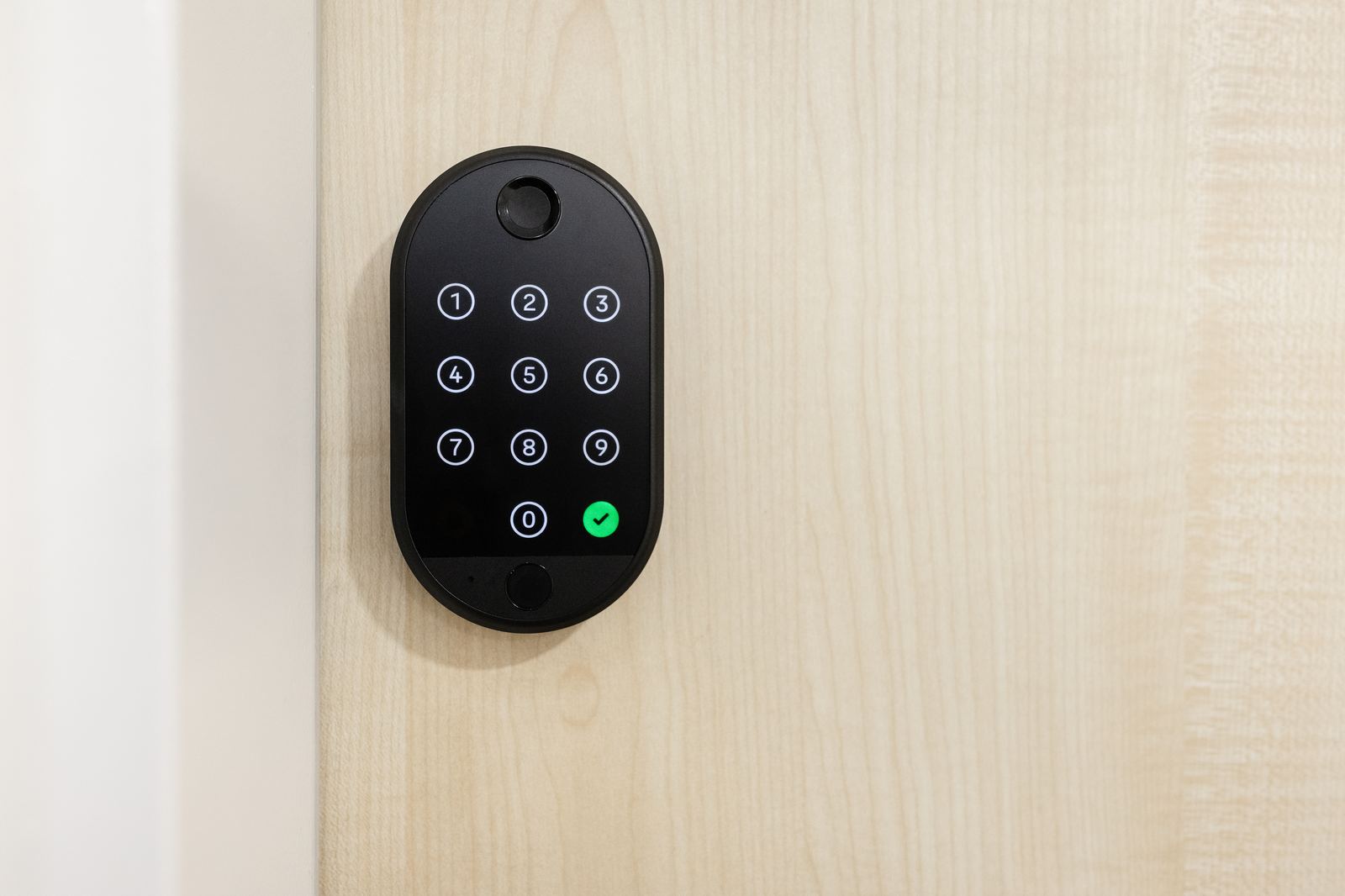
keypad deadbolt — locksmith services in Connecticut

Connecticut gives consumers something most states don't: a locksmith credential you can actually look up. Locksmiths here register with the Connecticut Department of Consumer Protection under the state's Locksmith Registration program, and anyone can confirm a registration in seconds through the DCP's eLicense lookup at elicense.ct.gov. That single check should be the first line of any vetting you do in this state. The rest of the picture is classic southern New England. Housing runs old, from New Haven and Hartford multifamilies to colonial-era homes along the shoreline, which means original and much-repaired hardware is still doing daily duty on a lot of doors. The climate pulls both ways: humid, door-swelling summers, salt air along the Long Island Sound coast, and inland winters cold enough to freeze a wet keyway. LocksmithCallNow.com is a referral service, we connect your call to an independent registered local locksmith pro rather than doing the work ourselves, and the checklist below shows exactly what to verify before anyone touches your lock.

YESstate locksmith license required

Only 12 of the 40 states we cover license locksmiths at the state level. Connecticut's posture changes how you vet a pro — the decoded panel below gives you the exact steps.

Connecticut locksmith licensing, decoded

The Connecticut rulebook on locksmith licensing, in one paragraph: Connecticut requires locksmith credentials through the Connecticut Department of Consumer Protection (DCP) (Locksmith Registration). Verify any pro in the official registry: Connecticut Department of Consumer Protection (DCP) lookup. Print or screenshot what you find; the honest pro's details will match at the door.

CheckHow
Step 1Ask the locksmith for their name or Connecticut locksmith registration number.
Step 2Use the Connecticut eLicense lookup at https://www.elicense.ct.gov/lookup/licenselookup.aspx (linked from the DCP Verify a License page) and search for the locksmith registration.
Step 3Confirm the registration status is active and the name matches the person or company you contacted.

Why this matters: in the vertical Google itself took to federal court over fake listings, the credential check is the one filter a bait operation can't fake. Sixty seconds with the official lookup beats an hour of review-reading — and a legitimate pro will never bristle at being checked.

Vetting checklist for Connecticut

  • Ask the locksmith for their name or Connecticut locksmith registration number; registration with the Department of Consumer Protection is the state's credential for this trade.
  • Verify it in the Connecticut eLicense lookup at elicense.ct.gov (linked from DCP's Verify a License page) before anyone is dispatched.
  • Confirm the registration status shows active and that the name matches the person or company you actually contacted, not a sound-alike.
  • Ask for the exact legal business name and a physical Connecticut address, and confirm the address is real.
  • Request proof of general liability insurance.
  • Get an itemized estimate over the phone, trip, labor, parts, and ask for it in writing before work begins.
  • On arrival, expect a marked vehicle and photo identification that matches the registered name you verified.
  • A legitimate locksmith should ask for your ID and proof of residency or ownership before opening a home or car; treat anyone who skips that as a red flag.
  • Per FTC guidance, be suspicious if the price jumps on-site or the technician declares immediately that drilling is required; nondestructive opening comes first and drilling is a last resort.
  • If something goes wrong, the Department of Consumer Protection accepts complaints, which is another reason to prefer registered locksmiths over anonymous ads.

Homes and locks in Connecticut

Connecticut's housing stock skews old by any national standard: triple-deckers and pre-war multifamilies in Hartford, New Haven, Bridgeport, and Waterbury, colonials and capes in the suburbs, and shoreline houses that have weathered a century of salt air. Old houses mean old hardware. Mortise locks with tired springs, cylinders re-pinned many times over, and strike plates that drifted as frames settled account for most sticky keys and balky deadbolts locksmiths see here. Age also means accumulated key copies, since every prior owner, tenant, and contractor is a possible keyholder. The practical response is straightforward: have a registered, referred locksmith rekey what is sound, tune what is misaligned, and where hardware has genuinely worn out, discuss ANSI/BHMA-graded replacement deadbolts appropriate to the door.

Renters are a major share of households in Connecticut's cities, and lease turnover in Hartford, New Haven, Stamford, and Bridgeport keeps rekey demand steady year-round. If you rent, ask one question up front: was this unit rekeyed after the previous tenant left? Practices vary, so get the answer in writing. Locked out? Call your landlord or building management first, since that is frequently the no-charge path back in. If you want the locks changed for your own peace of mind, get written landlord permission first and supply a current key, because leases generally speak to who may alter locks.

Our buyer network covers 353 zip codes across 190 Connecticut communities — about 3,222,266 residents.

Connecticut by the data: coverage spans 353 zips in 190 communities; typical income sits near $106,207; the median home dates to 1966; renters hold 33.7% of households. Each number nudges what callers need — age pushes hardware work, turnover pushes rekeys.

The Connecticut lock calendar

Winter

Inland Connecticut winters freeze wet keyways and shrink door frames, so deadbolts that worked in October start binding by January. Along the Sound, freeze-thaw swings are the bigger problem, repeatedly working moisture into exterior hardware. Lubricate cylinders before hard cold arrives, and if a lock already sticks in December, have it serviced before it fails in a storm.

Spring

Spring thaws reveal what winter moved: settled sills, misaligned strikes, and hinges loosened by months of swelling and shrinking. It is the natural season for a tune-up visit, realigning strikes and servicing worn cylinders, and a sensible time for the many households that move between leases in late spring to book rekeys ahead of the rush.

Summer

Humid Connecticut summers swell wooden doors until latches and deadbolts drag, especially on older shoreline and city homes. Salt air along the Long Island Sound coast quietly corrodes exposed brass and steel, so coastal owners should consider coated or marine-rated exterior hardware. Summer is also peak moving season, which makes early rekey scheduling worthwhile.

Fall

Fall is Connecticut's maintenance window: test every exterior lock, lubricate cylinders with a lock-appropriate product, and replace anything that grinds before the first freeze. Shoreline cottages being closed for the season deserve a hardware check too, and shorter days make it worth confirming that porch lights and entry locks work together smoothly.

How calling works from Connecticut

One call does the routing that map listings pretend to do. (866) 370-8695 reaches us any hour; we connect Bridgeport callers with an independent locksmith professional who actually serves the area. The pro handles scoping and quoting directly with you, before dispatch is settled. If a free route — a building manager, a roadside plan — would solve it, an honest pro says so on the phone.

Free routes worth trying first, anywhere in Connecticut

Skip the panic spend. First: the forgotten entrances — side door, garage interior, an unlatched ground-floor window you can reach safely. Second: spare-key holders. Third, for Bridgeport renters: building management, often free and fast. Fourth, for vehicles: roadside coverage through AAA or your insurer, and remote-unlock apps on most late-model cars. Only after that does a paid visit make sense — and by then it's the right one.

The busiest Connecticut markets in the network

CityResidents (ACS)Zip codesMedian build yr
Hartford120,347361951
West Hartford63,60471952
New Britain73,35041955
Bridgeport148,012111953
Manchester59,47341964
Bristol61,20621967
Stamford135,720191972
New Haven131,106261950
Meriden60,41821960
Hamden60,11631965

Where Connecticut sits in the national risk picture

FBI Crime Data Explorer estimates put Connecticut's burglary rate at 117.3 per 100,000 residents (2024), ranking it #44 of 51 in our State Lock-Risk Study — which combines burglary rates with housing age and renter share from Census data. The full methodology and every state's numbers are published openly. See the full study.

Services Connecticut callers ask for

Every Connecticut community we cover

Central Ct

Colonials and capes from the 1960s and earlier set the tone across central Connecticut, from Hamden up through Newtown and Danbury. Older doors here often carry mortise locks and hardware that modern replacements don't drop into neatly, which is exactly the kind of work independent locksmiths handle well. Owners dominate, with fewer than one in five households renting, so calls lean toward rekeying after a home purchase, replacing worn cylinders, and upgrading decades-old deadbolts. New England winters add their own trade: frozen car locks and brittle keys that snap off in January. Pros serving towns like Chester cover house lockouts, rekeys, and car key work.

Northern Ct

Small towns north of Hartford — Suffield, Granby, Somers, Stafford Springs — keep a housing stock that centers on the early 1970s and stretches back much further, with plenty of farmhouse doors, skeleton-key relics, and hardware that has settled along with the frame. Winter is the season that exposes it all: frozen cylinders, doors that swell and bind, and deadbolts that will not throw when the wood shifts. Enfield brings more suburban density and a larger renter presence, so rekeys at turnover happen there too. Local independent pros handle house lockouts, antique-hardware repairs, and car key programming across these hills. We simply make the referral; the pro does the rest.

Upper-Central Ct

Connecticut wears its age well, but its locks feel every year of it: around Waterbury, Bristol, and New Britain the median home dates to the early 1970s, and plenty go back much further, with mortise sets and skeleton-key-era hardware still in daily service. Winters bring the seasonal round of frozen locks, swollen doors, and storm-door latches that quit in January. Homeownership runs high in towns like Newington and Plainville, so rekeying after a sale and upgrading tired deadbolts make up much of the residential work. Car key programming fills the gaps, since this is commuter country through and through. The pros we refer callers to know both a 1920s door and a 2020s fob.

More Connecticut communities on the same line

Every one of these smaller Connecticut communities is inside the buyer coverage map — no page needed, the call routes the same way:

AmstonAndoverAnsoniaAvonBantamBarkhamstedBeacon FallsBerlinBethanyBethelBethlehemBloomfieldBoltonBotsfordBridgewaterBroad BrookBrookfieldBurlingtonCantonCanton CenterCenterbrookChesterClintonCobaltColchesterColebrookCollinsvilleColumbiaCornwall BridgeCos CobCoventryCromwellDarienDeep RiverDerbyDurhamEast BerlinEast GlastonburyEast GranbyEast HaddamEast HamptonEast HartlandEast WindsorEast Windsor HillEastonEllingtonEssexFarmington+103 more

Near a state line? The same call line covers New York, Massachusetts, Rhode Island — routing follows the pro's real coverage, not the border.
Connecticut questions, answered

How do I verify a Connecticut locksmith's registration?

Ask for the locksmith's name or Connecticut registration number, then check it in the Department of Consumer Protection's eLicense lookup at elicense.ct.gov. Confirm the status is active and the name matches the company you called. If a locksmith operating in Connecticut cannot point you to their DCP registration, keep looking.

Is rekeying worth it when I move into a Connecticut home?

Yes, and in older Connecticut housing it is close to essential. Decades of owners, tenants, and contractors may hold working copies of your key. A rekey changes the pins inside your existing locks so old keys die, costs less effort than replacing hardware, and a referred registered locksmith can typically handle a whole house in a single visit.

Does living near the Connecticut shoreline affect my locks?

It does. Salt air off Long Island Sound corrodes exposed exterior hardware faster than inland conditions, pitting finishes and eventually stiffening mechanisms. Coastal homeowners should ask a referred locksmith about corrosion-resistant or coated hardware and lubricate exterior cylinders a couple of times a year, before winter and after the humid summer.

What are my options for a car lockout or lost car key in Connecticut?

Check the free options first: roadside assistance through your insurer or vehicle manufacturer, a phone app that unlocks the car remotely, or a spare at home. If you need a pro, we can refer an independent automotive locksmith who can open the vehicle nondestructively and cut or program a replacement key on-site, including transponder keys.

How does the LocksmithCallNow referral work in Connecticut?

We are a referral service, not a locksmith. When you call, we connect you to an independent local locksmith pro serving your part of Connecticut. Ask that locksmith for their DCP registration and a written itemized estimate before work begins; they set their own pricing and are responsible for the work performed.

What does a locksmith scam look like in Connecticut?

Watch for the pattern the FTC describes: a bait-price ad, a dispatcher who won't give a legal business name, an unmarked car, and an on-site price far above the quote, usually justified by an instant claim that your lock must be drilled. Drilling is a last resort. In Connecticut you have an extra defense: no active DCP registration, no deal.

Is drilling the lock normal?

Only as a last resort. Trained locksmiths open most residential and vehicle locks non-destructively. If drilling is the first suggestion rather than the final option, decline and make another call — that pattern is the classic bait-and-switch tell.

How do I verify the pro is legitimate?

In licensing states, check the state lookup — it takes a minute. Everywhere, look for a marked vehicle, photo ID, willingness to state the quote before work, and a physical business you can find. Our verification guide walks through it step by step.

Should I rekey or replace after moving in?

Rekey first, in most cases. If the hardware is sound, rekeying gives you fresh key control without new locks. Replace when hardware is worn, damaged, or you want a higher ANSI/BHMA grade. The pro can tell you at the door which applies.

📞 Call (866) 370-8695

📞 Call a Locksmith Pro (866) 370-8695