One free call connects Illinois callers with independent local locksmith pros. Licensing facts, vetting steps, and every city we cover.
📞 Call (866) 370-8695Locksmith Call Now is a free referral service — we are not a locksmith. The independent local pro you're connected with quotes you directly before any work begins.

Ask any Illinois locksmith one question first: what is your IDFPR license number? Illinois is among the states that license the trade outright. Under the Private Detective, Private Alarm, Private Security, Fingerprint Vendor and Locksmith Act of 2004 (225 ILCS 447), both individual locksmiths and locksmith agencies must be licensed by the Illinois Department of Financial and Professional Regulation, and every license is checkable in the department's public License Lookup. That single step filters out most of the bad actors that plague big-city locksmith searches, and Chicago's market sees plenty of them. The climate argues for diligence too: hard lake-effect winters freeze car locks and bind swollen doors, and humid summers swell wooden frames across the state's older housing. LocksmithCallNow.com is a referral service, not a locksmith; we connect your call to an independent local locksmith pro, and the license check below applies to every pro, referred or otherwise.
Only 12 of the 40 states we cover license locksmiths at the state level. Illinois's posture changes how you vet a pro — the decoded panel below gives you the exact steps.
Here's the licensing picture every Illinois caller should know: Illinois requires locksmith credentials through the Illinois Department of Financial and Professional Regulation (IDFPR) (Locksmith and Locksmith Agency licensure under the Private Detective, Private Alarm, Private Security, Fingerprint Vendor and Locksmith Act of 2004 (225 ILCS 447)). Verify any pro in the official registry: Illinois Department of Financial and Professional Regulation (IDFPR) lookup. Verification takes about a minute and it's the single highest-value step before any lock work.
| Check | How |
|---|---|
| Step 1 | Ask the locksmith or locksmith agency for their IDFPR license number, which Illinois requires for both individual locksmiths and locksmith agencies under 225 ILCS 447. |
| Step 2 | Verify the license in IDFPR's official License Lookup at online-dfpr.micropact.com/lookup/licenselookup.aspx (linked from idfpr.illinois.gov/checklicense.html). |
| Step 3 | Confirm the license status is active and the name on the license matches the company or technician you are hiring. |
Recent change: none found (administrative process updates only, such as IDFPR's third-party authorization form introduced in 2024)
Treat this panel as your pre-call ritual. The bait-price networks that plague locksmith search results can spoof reviews, photos, and phone numbers — but not an official registry entry or a verifiable business filing. That asymmetry is the whole reason we publish these steps on every state page.
Illinois housing runs old, from Chicago's brick two-flats and bungalow belts to century-old farmhouses and courthouse-square homes downstate. Hardware in this stock has often served for generations: worn pins, loose cylinders, mortise locks in the oldest buildings, and keys copied so many times that tolerances have drifted. Seasonal extremes accelerate the wear, with humid summers swelling wooden doors and hard winters contracting them, so alignment problems compound mechanical age. Rekeying, resetting the pins so old keys stop working while your hardware stays, is the standard refresh at move-in and after any change in who holds keys, and in Illinois you can insist the person doing it carries an IDFPR license. When hardware is past service, ask about replacement deadbolts rated under the ANSI/BHMA grading system, where Grade 1 is the most durable residential tier.
Illinois has a deep rental market, from Chicago's apartment stock, among the largest in the country, to units in Rockford, Peoria, Springfield, and the university towns. Renters should work the free channel first: rental locks generally belong to the landlord, so report failures, lost keys, and lockouts to management, since your lease may put the repair on them. To rekey after moving in, ask permission in writing and give the landlord a copy of the new key, which most leases require. Never swap hardware unilaterally. If authorized to hire your own locksmith, verify the IDFPR license just as an owner would and keep the paperwork.
Our buyer network covers 942 zip codes across 723 Illinois communities — about 11,550,431 residents.
Across our Illinois footprint — 942 zip codes, 723 communities — the covered-area income runs near $89,381, housing centers on 1969, and 33.4% of households rent. That renter share is the quiet driver of between-tenant rekey calls.
Illinois winters are the real thing: lake-effect cold snaps freeze car door locks, contract metal hardware, and turn trapped moisture in keyways to ice. Never force a frozen key. Use dry lubricant, warm the key gently, and keep fob batteries fresh, since deep cold cuts battery output just when you need the remote most.
Thaw and spring rain swell wooden doors and shift frames in the state's older housing, so deadbolts that worked all winter start catching in April. Spring opens moving season in Chicago and the college towns, a natural time to rekey after a closing or lease change and to fix winter-revealed alignment problems.
Humid Illinois summers keep wooden doors and frames swollen, so latches drag and keys need a jiggle in older two-flats and farmhouses alike. Dry lubricant helps; persistent grinding means a worn cylinder. Before vacations, test every exterior lock, retrieve hidden spare keys, and leave a copy with someone you trust.
Fall's swing from warm afternoons to freezing nights works doors and frames daily, exposing marginal alignment before winter arrives to make it worse. Service sticking bolts now, renew weatherstripping, and put fresh batteries in smart locks and car fobs ahead of the first hard freeze.
Think of the line as a switchboard with a disclosure stapled to it. You call (866) 370-8695 from Chicago; we connect you to an independent local locksmith pro; the pro quotes the actual job to you before any work begins. We publish no prices because we set none. What the listing-farms hide in fine print, this page states in bold: referral service, independent pros, quotes before work.
A locksmith who wants your trust tells you this first: many lockouts end free. Household members with keys, the entrance you didn't try, the Chicago property manager whose job includes letting tenants back in, the roadside plan already attached to your card or policy, the manufacturer app that pops the locks from your pocket. Try them in that order; the paid call is for when they've all come up empty.
| City | Residents (ACS) | Zip codes | Median build yr |
|---|---|---|---|
| Chicago | 2,691,226 | 85 | 1952 |
| Aurora | 187,044 | 10 | 1977 |
| Naperville | 167,976 | 6 | 1988 |
| Belleville | 93,484 | 5 | 1973 |
| Elgin | 123,995 | 5 | 1977 |
| Des Plaines | 89,822 | 4 | 1969 |
| Arlington Heights | 80,906 | 3 | 1974 |
| Schaumburg | 77,989 | 7 | 1979 |
| Palatine | 74,414 | 7 | 1978 |
| Bolingbrook | 73,813 | 2 | 1986 |
FBI Crime Data Explorer estimates put Illinois's burglary rate at 290.5 per 100,000 residents (2024), ranking it #11 of 51 in our State Lock-Risk Study — which combines burglary rates with housing age and renter share from Census data. The full methodology and every state's numbers are published openly. See the full study.
Independent Illinois pros, quoted before work begins.
Chicago and its inner suburbs run on old housing — the median home here dates to the mid-1960s, and the classic two-flats and brick bungalows of the city, Cicero, and Berwyn carry decades of layered hardware. Deadbolt upgrades, gate locks, and building-entry repairs are staples, and winter adds frozen cylinders and door frames that swell and bind for months. About a quarter of households rent, keeping unit rekeys steady in Oak Park and across the city. Alley garages have their own lock problems, a genuinely local specialty. Car lockouts and fob programming fill the rest, since even people who ride the train usually keep a car parked somewhere.
Small towns fill the far ring beyond the Chicago area, places like Dwight, Earlville, Paw Paw, and Cherry Valley, and their housing skews old, with a median year built in the late 1950s. That vintage means original locksets, layered paint on strike plates, and doors that need adjustment as much as new hardware. Winters here are genuine: frozen car doors and brittle keys keep locksmiths moving through the cold months. With four in five households owning, the common calls are post-purchase rekeys, worn-cylinder replacements, and the occasional farmhouse lockout down a long gravel drive. Independent pros covering these towns handle house lockouts, rekeying, and automotive key work.
Suburban Cook and DuPage towns like Orland Park, Tinley Park, Wheeling, and Glendale Heights carry housing from around 1980 — old enough that original deadbolts and garage-entry locks are worn, young enough that most doors take standard modern hardware without drama. Chicago winters supply the seasonal calls: frozen car locks, ice-bound padlocks, and front doors that swell shut in a January freeze. Roughly one in five households rents, so lease-turnover rekeys run steadily through Homewood, Lansing, and Hazel Crest. Long commutes make car lockouts and fob programming everyday work too. The locksmiths in our network here are independent locals; we connect the call, they handle the job.
Out on the far edge of the metro — Algonquin, Cary, Lake In The Hills — this is commuter territory with a late-1970s housing median and ownership around eighty percent. The work leans owner-side: rekeying after closings, replacing tired builder hardware, and installing keypads for kids who get home first. Winter is a genuine factor, with frozen car doors and stiff deadbolts every January, and the rural stretches around Elburn mean long drives between calls. Cars matter out here, so lost transponder keys and commuter-lot lockouts are routine. The independent pros we refer callers to cover a lot of road, and they plan their days around it.
Peoria anchors a stretch of central Illinois where housing runs to the early 1960s and older, from East Peoria across to Eureka and Fairbury. Homes that age carry hardware with real miles on it: cylinders that catch, latches that stick, deadbolts painted into their frames. Four in five households own, so the work leans toward rekeying after closings, replacing worn locks, and freeing up doors that winter has swollen shut. And winter earns a mention on its own, since frozen car locks and keys snapped in stiff tumblers are seasonal certainties here. Local independent locksmiths handle all of it, house and vehicle both.
Older housing defines the Metro East: Granite City, Wood River, and Collinsville center on the mid-1970s and reach back much further, with steel doors, aging deadbolts, and keyways worn smooth by decades of copies. Edwardsville, Glen Carbon, and Maryville add newer subdivisions where builder-grade hardware and smart-lock swaps are more the norm. Winters here are cold enough to freeze car locks and swell wooden doors, and summers are humid enough to rust what winter missed. Most households own, so move-in rekeys and stuck-deadbolt repairs top the list, with car lockouts close behind. We refer independent local pros across these towns and stay out of the transaction.
Small towns set the rhythm in this slice of Illinois — Le Roy, Heyworth, Rantoul — and the housing shows its age, with a mid-1960s median and plenty of farmhouses older still. Locksmiths out here work differently: longer drives, more owner-occupied calls, and hardware that ranges from skeleton-key interior doors to modern deadbolts on the same property. Farm outbuildings, equipment sheds, and heavy padlocks are a real part of the trade. Winters freeze locks and swell doors on schedule, and a car lockout in a rural driveway is a common reason to call. Closer to Champaign, the mix shifts urban, with rentals and turnover rekeys entering the picture.
Along the northern edge of Illinois, towns like Freeport, Pecatonica, Forreston, and Mount Morris hold housing that mostly predates 1960, and the door hardware often matches the era. Locksmiths here see original locksets, retrofitted deadbolts of every vintage, and the occasional door that has been shimmed and re-shimmed for decades. Winters near the Wisconsin line are cold enough to freeze car door locks solid and stiffen house deadbolts overnight. Ownership dominates at about four in five households, so rekeys tend to follow sales and family transitions. The independent pros serving these towns cover house lockouts, lock replacement, broken-key extraction, and car key cutting.
Farm towns dot the country around Springfield — Athens, Mount Pulaski, Tolono, Williamsville — and their housing is genuinely old, with a median build year of 1966 and plenty of homes generations older than that. Original mortise locks, settling doorframes, and skeleton-key hardware still turn up regularly. Distances are long and everything moves by vehicle, so car lockouts, lost keys, and transponder programming are as common as house calls. Ownership runs high — fewer than one in six households rent — meaning the standard job is a homeowner rekeying after a closing or reviving a deadbolt that winter warped. The pros we refer are independent locals who cover a lot of ground.
The oldest housing in this part of Illinois clusters around Galesburg — a median build year near 1959 across towns like Aledo, Galva, and Woodhull. Old housing means old hardware: mortise locks, worn keyways, doors settled off square, and rim locks that predate anyone living behind them. Ownership runs above eighty percent, so the work is homeowner work — rekeys after estate sales, sticky deadbolts, storm-door latches — plus the farm-country staples of padlocks and outbuilding locks out toward Hennepin. Hard winters freeze locks and car doors annually, and de-icer earns its shelf space. Vehicle lockouts round it out, because everything in this part of the state is a drive.
Every one of these smaller Illinois communities is inside the buyer coverage map — no page needed, the call routes the same way:
Near a state line? The same call line covers Wisconsin, Indiana, Missouri — routing follows the pro's real coverage, not the border.
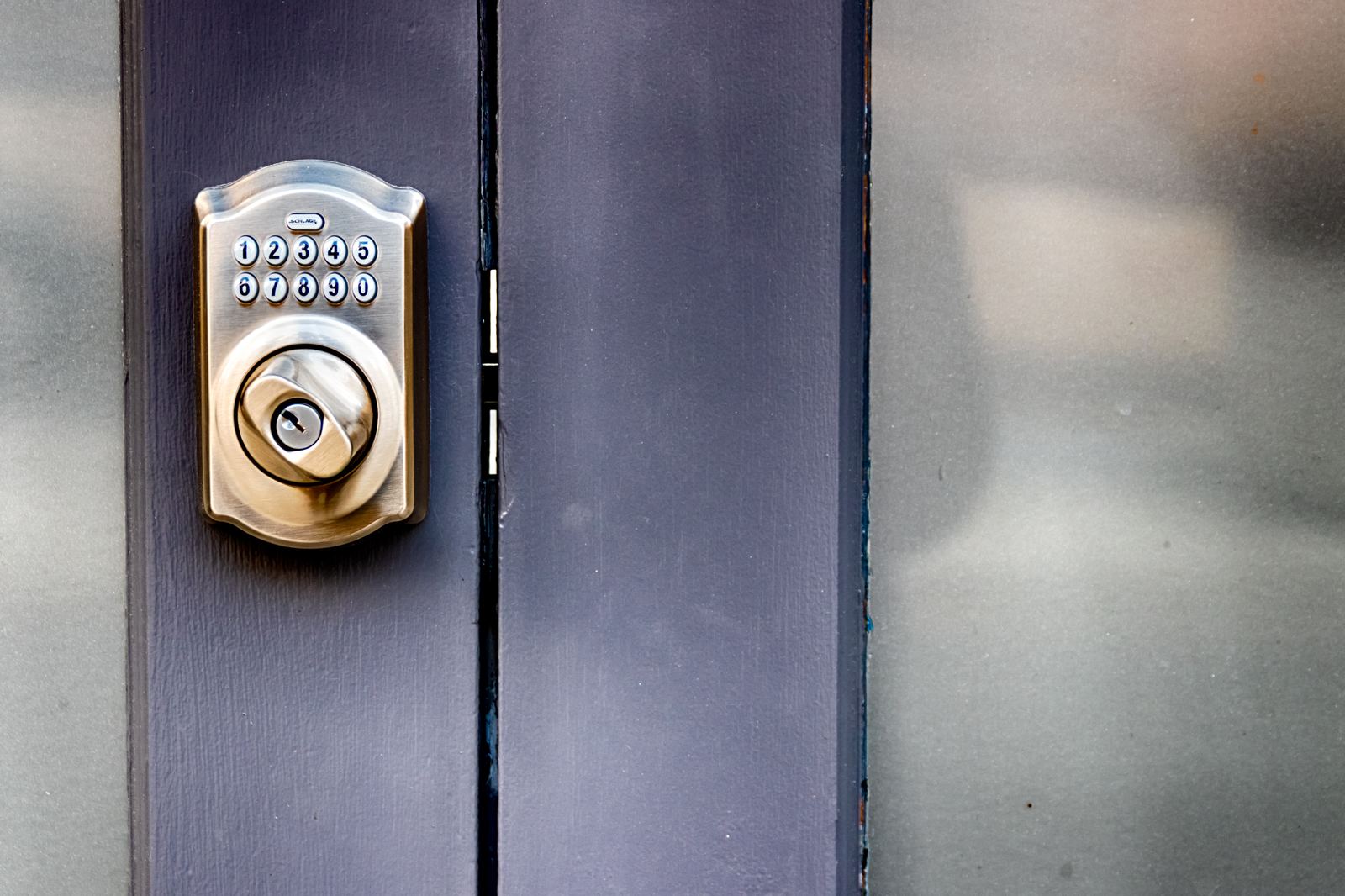
Ask for the IDFPR license number, which Illinois requires for both individual locksmiths and locksmith agencies under 225 ILCS 447, then check it in IDFPR's License Lookup at online-dfpr.micropact.com/lookup/licenselookup.aspx. Confirm the status is active and the name matches the company you are hiring. No number means keep looking.
Yes. In housing stock this old, keys have typically passed through many owners, tenants, and contractors. Rekeying resets the pins in your existing locks so only the new key works, and it is usually faster and less costly than replacement. Renters should get written landlord permission first and provide a copy of the new key.
Moisture trapped in the keyway freezes during cold snaps, and deep cold contracts hardware and shifts door alignment, so the bolt fights the strike plate. Forcing the key risks snapping it. Use dry graphite-style lubricant, warm the key gently, and have chronic binding corrected in fall before lake-effect cold arrives.
Check covered options first: roadside assistance through your insurer, motor club, or new-car warranty often includes lockout service and key help, welcome news in a Chicago winter. Automotive locksmiths can cut and program many keys and fobs on site; some newer encrypted keys require a dealer. Confirm the full quote and the IDFPR license before dispatch.
We are a referral service, not a locksmith. Your call connects to an independent local locksmith pro serving your part of Illinois; that pro provides the quote, performs the work, and bills you directly. Verify their IDFPR license, confirm the total price and business name with them, and use the checklist above before authorizing work.
Start with the license: Illinois requires IDFPR licensure, so anyone who cannot produce a number is already out. Then apply FTC guidance: distrust bait-price ads, generic phone greetings, quotes that jump on arrival, cash-only pressure, and drill-first technicians. Skilled pros open most doors nondestructively; drilling is a last resort, not a sales technique.
Usually, yes. Independent automotive locksmiths cut keys from the vehicle's key code and program transponders and fobs on site for most makes — you'll need proof of ownership. Ask when you call; the pro will confirm coverage for your model.
Often, yes — late-night and holiday labor is real labor. The honest pattern is disclosure on the phone as part of the quote. A number that grows after arrival is the dishonest pattern, and you can decline before work begins.
ID that matches the address (or vehicle registration), a photo of the lock if you can get one, and the written or stated quote from the phone call. Legitimate pros verify you have the right to enter — that check protects you.