One free call connects Indiana callers with independent local locksmith pros. Licensing facts, vetting steps, and every city we cover.
📞 Call (866) 370-8695Locksmith Call Now is a free referral service — we are not a locksmith. The independent local pro you're connected with quotes you directly before any work begins.

A frozen car door in an Indianapolis parking lot is the classic Indiana lock call, and winter is only one season of the workload. Indiana does not license locksmiths — the Indiana Professional Licensing Agency's roster of regulated professions does not include the trade — so vetting runs through the INBiz public business search at the Secretary of State, plus the insurance and identification questions any honest company will welcome. On the housing side, homes in the areas we cover center on the early 1980s, which leaves a deep stock of original builder-grade hardware now past its expected service life, and about a third of households rent, so lease-turnover rekeys stay steady in Indianapolis, Fort Wayne, and the college towns. LocksmithCallNow.com is a referral service, not a locksmith: when you call, we match you with an independent local pro who quotes the job, sets the price, and does the work.
Only 12 of the 40 states we cover license locksmiths at the state level. Indiana's posture changes how you vet a pro — the decoded panel below gives you the exact steps.
The Indiana rulebook on locksmith licensing, in one paragraph: Indiana has no statewide locksmith license. Indiana does not license locksmiths; locksmithing is not among the professions regulated by the Indiana Professional Licensing Agency. Consumers can confirm a locksmith business is registered with the Indiana Secretary of State using the INBiz public business search (bsd.sos.in.gov/publicbusinesssearch). Print or screenshot what you find; the honest pro's details will match at the door.
| Check | How |
|---|---|
| Step 1 | Ask for the business's full legal name and Indiana address, then look it up in the INBiz public business search at bsd.sos.in.gov/publicbusinesssearch. |
| Step 2 | Request the locksmith's photo identification on arrival and confirm it matches the company you contacted; ask whether the company carries liability insurance. |
| Step 3 | For service disputes, file a complaint with the Indiana Attorney General's Consumer Protection Division. |
Why this matters: in the vertical Google itself took to federal court over fake listings, the credential check is the one filter a bait operation can't fake. Sixty seconds with the official lookup beats an hour of review-reading — and a legitimate pro will never bristle at being checked.
Homes in the Indiana areas we cover carry a weighted median build year of about 1981, which places an outsized share of the state's entry hardware in its fourth or fifth decade. Subdivisions from that era were typically fitted with light-duty builder-grade locksets — Grade 3 under the ANSI/BHMA rating system, which runs from residential Grade 3 up to heavy-duty Grade 1 — and forty years of daily turns wear pins, weaken springs, and loosen knob assemblies. Indiana's freeze-thaw cycles add frame settling, so strike plates drift out of alignment and deadbolts start needing a shove to throw. An independent pro can usually rekey hardware that is still mechanically sound, and where it is not, an upgrade to a rated Grade 2 or Grade 1 deadbolt at the main entries is the durable fix.
Roughly a third of households in the Indiana areas we serve rent, from Indianapolis apartments to college-town housing in Bloomington and West Lafayette, and lease turnover keeps rekeying constant. Renters should start with the covered route: landlords and property managers commonly handle lock changes between tenants, and most leases require permission before a tenant alters locks. At move-in, ask in writing whether the unit was rekeyed after the previous tenant — a routine question with a quick answer. If you pay for authorized lock work yourself, keep the itemized receipt in case the landlord will credit it.
Our buyer network covers 130 zip codes across 47 Indiana communities — about 2,152,583 residents.
Indiana by the data: coverage spans 130 zips in 47 communities; typical income sits near $82,461; the median home dates to 1981; renters hold 34.0% of households. Each number nudges what callers need — age pushes hardware work, turnover pushes rekeys.
Indiana winters deliver hard freezes and lake-effect snow across the northern counties, and lock calls follow: car door locks frozen solid, deadbolts stiff with cold-thickened grease, and brittle keys snapped off in cylinders. Freeze-thaw swings shift door frames enough to misalign latches even in midwinter.
Thaw and spring storms define the season. Severe weather can rack doors and frames so latches stop lining up, and moisture swells wooden doors on older housing. Moving season begins, bringing move-in rekey calls across Indianapolis and the suburbs, along with replacement of hardware that failed over the winter.
Humid summers swell doors until latches bind — a complaint that sounds like lock failure but is usually alignment. Road-trip season keeps automotive calls up: lockouts, lost fobs, and heat-stressed remotes left on dashboards. It is also the easiest season to schedule non-urgent rekeys and hardware upgrades.
Fall is the smart season for prevention in Indiana: lubricate exterior locks, adjust strike plates on doors that swelled all summer, and replace marginal cylinders before the first hard freeze. Student turnover in Bloomington, West Lafayette, and Muncie drives a late-summer rekey wave for landlords and property managers.
One call does the routing that map listings pretend to do. (866) 370-8695 reaches us any hour; we connect Indianapolis callers with an independent locksmith professional who actually serves the area. The pro handles scoping and quoting directly with you, before dispatch is settled. If a free route — a building manager, a roadside plan — would solve it, an honest pro says so on the phone.
Skip the panic spend. First: the forgotten entrances — side door, garage interior, an unlatched ground-floor window you can reach safely. Second: spare-key holders. Third, for Indianapolis renters: building management, often free and fast. Fourth, for vehicles: roadside coverage through AAA or your insurer, and remote-unlock apps on most late-model cars. Only after that does a paid visit make sense — and by then it's the right one.
| City | Residents (ACS) | Zip codes | Median build yr |
|---|---|---|---|
| Indianapolis | 978,823 | 63 | 1973 |
| Greenwood | 93,606 | 2 | 1993 |
| Carmel | 91,334 | 3 | 1996 |
| Fishers | 90,221 | 3 | 2001 |
| Anderson | 42,784 | 3 | 1965 |
| Noblesville | 86,862 | 3 | 2001 |
| Hammond | 69,511 | 5 | 1952 |
| Shelbyville | 28,581 | 1 | 1971 |
| New Albany | 49,606 | 2 | 1968 |
| Jeffersonville | 49,192 | 8 | 1980 |
FBI Crime Data Explorer estimates put Indiana's burglary rate at 176.8 per 100,000 residents (2024), ranking it #33 of 51 in our State Lock-Risk Study — which combines burglary rates with housing age and renter share from Census data. The full methodology and every state's numbers are published openly. See the full study.
Independent Indiana pros, quoted before work begins.
Newer suburbs give the Indianapolis area its shape: Carmel and Fishers grew fast from the 1990s on, so builder-grade locksets and garage keypads from that boom are now aging in bulk. Indianapolis proper and Anderson mix in older housing where worn cylinders and settled doors are the norm. Winters are real here, with frozen car locks and stiff deadbolts showing up every January, and spread-out commuting keeps car lockouts and transponder key work steady. With roughly one in five households renting, turnover rekeys round out the schedule. Independent locksmiths across the metro handle house lockouts, rekeying, hardware upgrades, and automotive keys.
Indiana's two river corners anchor this region. In the northwest, Hammond, Whiting, and East Chicago hold dense, older housing where about a third of households rent, so lease-cycle rekeys, apartment lockouts, and landlord-coordinated lock changes are constant. Downstate along the Ohio River, Jeffersonville, New Albany, and Clarksville mix historic homes with newer subdivisions, and the calls shift toward move-in rekeys and worn-out deadbolts. Winters are cold enough in both corners to freeze car locks and swell doors. Whether it is a Sellersburg house lockout or a fob programmed in Hammond, the locksmith who shows up is an independent local pro we simply connected you with.
Every one of these smaller Indiana communities is inside the buyer coverage map — no page needed, the call routes the same way:
Near a state line? The same call line covers Illinois, Ohio, Kentucky — routing follows the pro's real coverage, not the border.
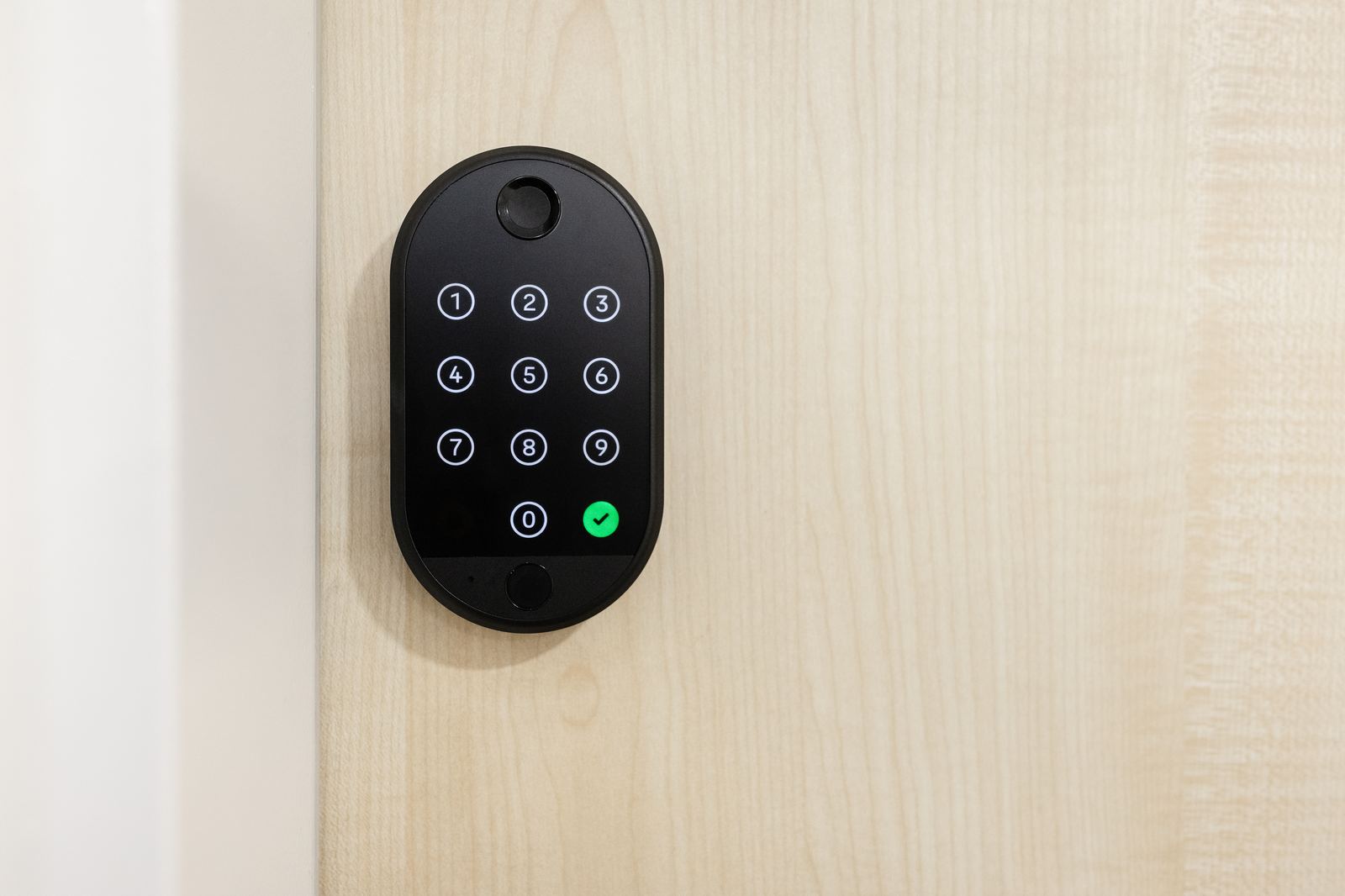
Check the business, not a license. Look up the company's legal name in the INBiz public business search at bsd.sos.in.gov/publicbusinesssearch, confirm a physical Indiana address, ask about liability insurance, and match the technician's photo ID to the company you called. The Indiana Professional Licensing Agency does not regulate locksmiths, so a claimed 'state locksmith license' should raise questions, not confidence.
Yes — it is the standard move-in step. Rekeying changes the pins in your existing locks so keys held by previous owners, contractors, and neighbors stop working, and it is faster than replacing hardware that is still sound. Buyers usually schedule it for closing day. Renters should ask the landlord first, since many rekey between tenants as routine practice.
Cold exposes marginal hardware: moisture inside the cylinder freezes, old grease stiffens, and worn keys become brittle enough to snap. Freeze-thaw cycles also shift door frames so latches bind against strike plates. A fall lubrication with a lock-appropriate product and a quick alignment check prevent most winter failures before the first deep freeze.
Usually. Independent automotive locksmiths cut and program transponder keys and fobs for most common makes, often at your location. Before paying out of pocket, check the covered options: roadside-assistance plans, some auto policies, and some new-car warranties include lockout service or key replacement. For a handful of the newest models, dealer programming remains the only route.
We are a referral service — we connect callers with independent local locksmiths and do not perform lock work ourselves. Tell us your ZIP code and the problem, and we match you with a pro serving your area, whether that is Indianapolis or a smaller town. The pro quotes the full price and does the job; confirm that total before dispatch.
The bait-price ad, the pattern Federal Trade Commission guidance describes: an unrealistically low advertised rate that multiplies on arrival, often with a claim the lock must be drilled. Routine residential lockouts rarely require drilling. Confirm the legal business name and total price before dispatch, ask for ID and an itemized receipt, and report problems to the Indiana Attorney General.
Only as a last resort. Trained locksmiths open most residential and vehicle locks non-destructively. If drilling is the first suggestion rather than the final option, decline and make another call — that pattern is the classic bait-and-switch tell.
In licensing states, check the state lookup — it takes a minute. Everywhere, look for a marked vehicle, photo ID, willingness to state the quote before work, and a physical business you can find. Our verification guide walks through it step by step.
Rekey first, in most cases. If the hardware is sound, rekeying gives you fresh key control without new locks. Replace when hardware is worn, damaged, or you want a higher ANSI/BHMA grade. The pro can tell you at the door which applies.